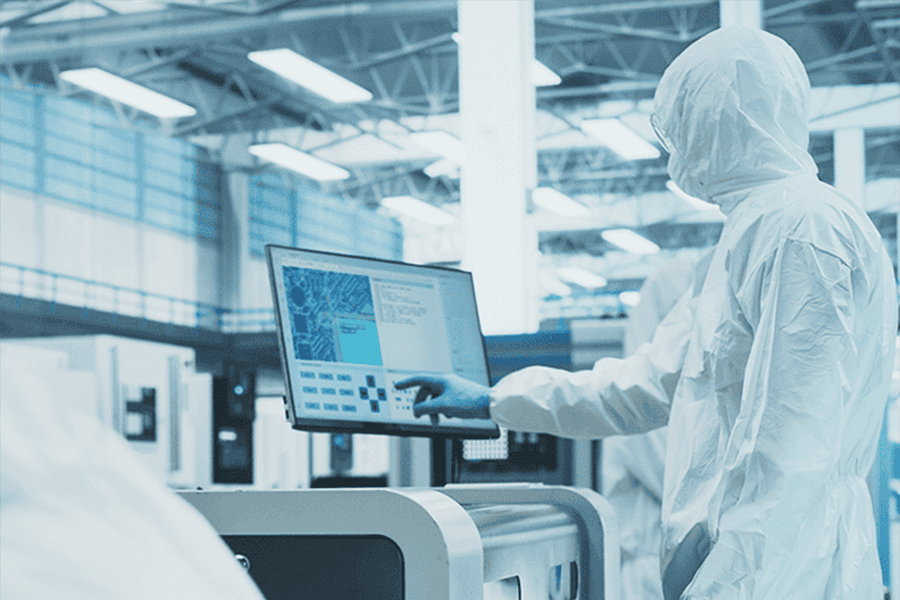

FacilityNet Insight V1.1: Extended Analysis, Remote Access, and Connected Facility Monitoring
In this webinar, we will explore the latest capabilities introduced in FacilityNet Insight Version 1.1, including extended historical analysis, remote access capabilities, OPC-UA connectivity, enhanced visualization, and improved operational workflows
From passive to active air monitoring in aseptic filling: a risk-based approach to replacing settle plates
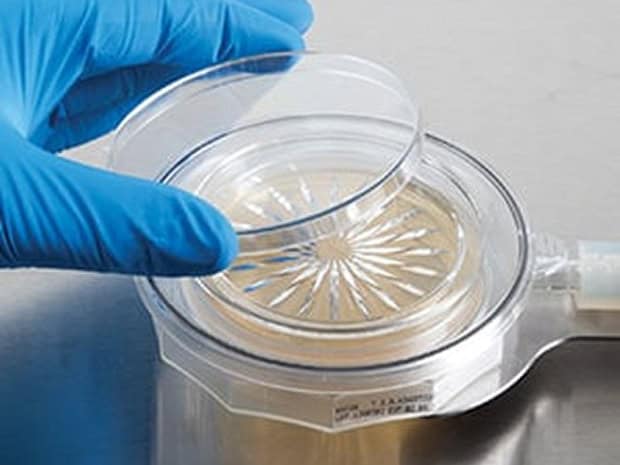
In this webinar, Particle Measuring Systems will share a case study of a biopharmaceutical company developing and applying a structured global rationale for the implementation of continuous viable environmental monitoring with a single-use microbial impactor within aseptic manufacturing environments.


Decentralized Manufacturing: Reshaping the Future of Production
Explore how decentralized manufacturing is reshaping production through distributed facilities that improve agility, resilience, customization, and sustainability. Learn key success factors, challenges, and real-world pharmaceutical applications.

Understanding and Applying USP 797 Updates
In an effort to prevent harm through contamination, the U.S. Pharmacopeial Convention has been working on a series of proposed changes to USP Chapter 797, Pharmaceutical Compounding– Sterile Preparations. USP <797> published revision June 1, 2019 this becomes effective Dec 1, 2019

20 nm Chemical Batch Sampling Solution with the SLS-20 Syringe Sampler
Watch this webinar to learn about the world’s leading 20 nm chemical contamination monitoring solution, the Chem 20 particle counter from Particle Measuring Systems, and how it combines with the SLS 20 sampler for a complete batch sampling solution